Veterinary Supplier in Dubai | UAE
TVG news, events and articles
News | Announcements | Articles
FILTER BY
Are you a clinic or business and would like to sell / use our products?
September 06 2026
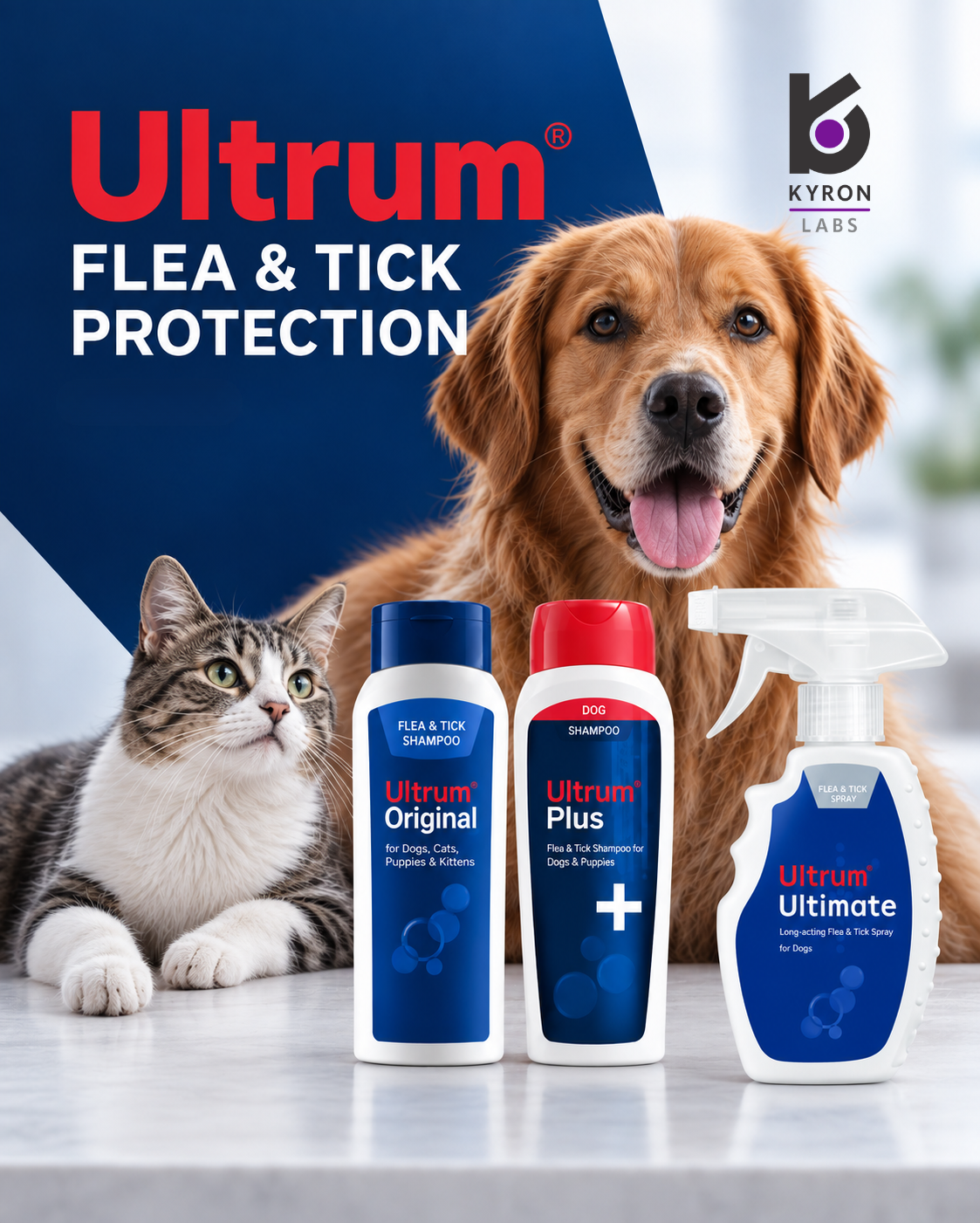
Living in the UAE means thinking differently about parasite control. In countries with cold winters, flea and tick activity may be strongly seasonal. In Dubai, the warm climate means external parasites can remain a concern throughout the year, making regular parasite prevention and routine checks an important part of pet healthcare. Local veterinary sources report seeing ticks and tick-related disease in dogs in Dubai, while fleas also remain a recognised parasite risk. For veterinary teams, this makes owner education particularly important: parasite control is not simply about dealing with a flea or tick once it has been found. It is about understanding the animal's individual exposure risk and using an appropriate, consistent control strategy. Why ticks deserve particular attention in Dubai Ticks are more than an unpleasant parasite attached to a pet's skin. Like fleas, they feed on their host, but an important concern is their ability to transmit infectious agents. Ticks are vectors of a range of pathogens affecting companion animals, and tick-borne diseases are an established veterinary concern. In Dubai specifically, veterinary clinics report treating tick-related conditions and advise year-round awareness because ticks can remain active in the UAE climate. Dogs that spend time outdoors, visit parks, gardens or desert areas, interact with other animals, or have travelled may have increased opportunities for exposure. Check your dog regularly Regular physical checks are a simple addition to a wider parasite-control programme, particularly after outdoor activity. Run your hands slowly over the dog's body and pay particular attention to areas where ticks can be harder to notice, such as around the ears, neck and collar area, between the toes, under the legs and around the groin. If a tick is found and you are unsure how to remove it correctly, or your dog subsequently appears unwell, contact your veterinarian for advice. Fleas shouldn't be overlooked Although ticks are a particularly relevant concern for dogs in Dubai, fleas still matter. Fleas can cause irritation and skin lesions, and some animals develop flea allergy dermatitis (FAD), where exposure to flea bites triggers an allergic skin reaction. Fleas are also capable of transmitting pathogens and parasites. A flea problem can also extend beyond the pet itself. Effective management may therefore need to consider both the animal and its environment rather than simply removing the adult fleas that can be seen. Shampoo, spray or longer-term preventative? There is no single approach that is appropriate for every animal. The choice of parasite-control product should take into account factors such as: whether the pet is a dog or cat; age and weight; whether fleas, ticks or both are the concern; current infestation versus ongoing prevention; lifestyle and exposure risk; other parasite-control products already being used; and the animal's skin and general health. Veterinary advice is particularly valuable when building a long-term parasite-control programme. Where does the Kyron Labs Ultrum® range fit? For veterinary practices and pet owners looking for topical flea and tick control, The Veterinary Group currently supplies three products from the Kyron Ultrum® range in the UAE: Ultrum® Original Shampoo, Ultrum® Plus Shampoo and Ultrum® Ultimate Spray. They are not interchangeable, and their species indications and formulations differ. Ultrum® Original Shampoo for dogs and cats Ultrum® Original is an insecticidal flea and tick shampoo designed for dogs and cats, including puppies and kittens. Its formulation contains pyrethrum 0.11%, piperonyl butoxide 1.1%, liquid lanolin 2%, coconut oil derivatives 2.5% and conditioners 10.3% in a gentle shampoo base. Ultrum® Plus Shampoo for dogs Ultrum® Plus is a flea and tick shampoo formulated specifically for dogs and puppies. It contains permethrin 1%, esbiothrin 0.1%, piperonyl butoxide 1.1% and evening primrose oil 2%, together with lanolin, coconut oil derivatives and conditioners. Ultrum® Ultimate for  longer-acting topical spray for dogs For dogs requiring a longer-acting topical option, Ultrum® Ultimate is a spray rather than a shampoo. Its active ingredients are permethrin 3%, es-bioallethrin 0.4%, pyriproxyfen 0.3% and piperonyl butoxide 2% in a quick-drying base. It kills 100% of fleas within 24 hours, and gives more than three weeks' protection against fleas, controls flea eggs and larvae for more than three months and is also effective against ticks. It is indicated for dogs from seven weeks of age. Unlike Original and Plus, Ultimate is applied directly to the dry coat and allowed to dry naturally. Use approximately 2 mL/kg body weight. Choosing between the three A useful way for veterinary teams to explain the range is: Parasite control is about more than treating what you can see Finding and killing an adult flea or tick addresses the immediate parasite, but effective control requires a broader approach. For UAE pet owners, that means maintaining appropriate parasite protection throughout the year, checking pets regularly and discussing the most suitable programme with a veterinarian based on the animal's lifestyle and exposure risk. For veterinary teams, it also means helping owners understand that species matters. A product intended for dogs should never automatically be assumed suitable for cats. The Ultrum® range provides different topical options for different circumstances, from a flea and tick shampoo suitable for dogs and cats with Ultrum® Original, to dog-specific Ultrum® Plus Shampoo and the longer-acting Ultrum® Ultimate Spray.
August 31 2026
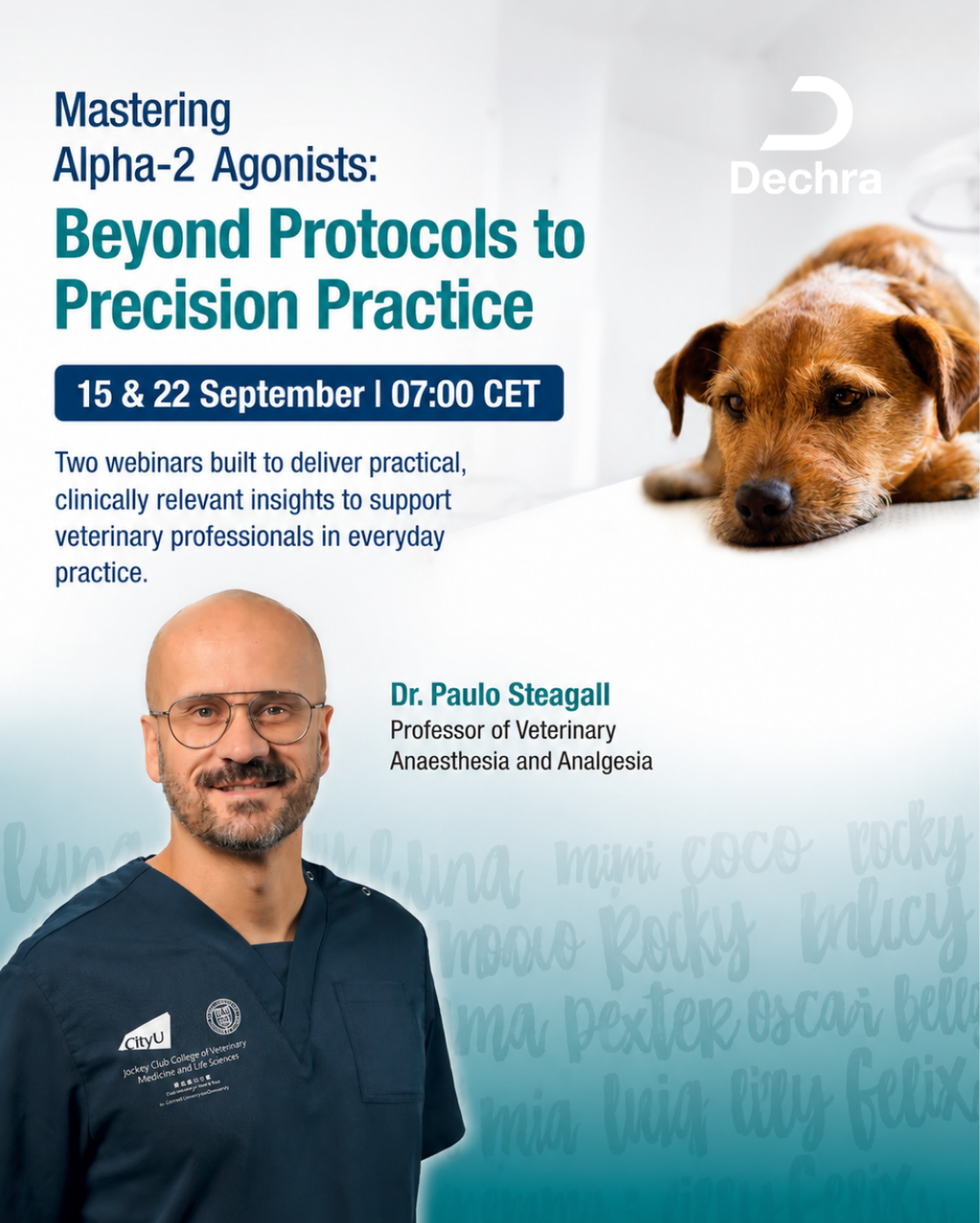
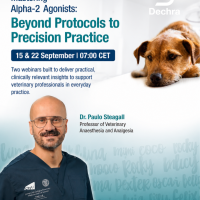
Dechra’s Two-Part Veterinary Anaesthesia Webinar Series - 15 & 22 September 2026 | 07:00 CET & 9:00 AM Dubai time Veterinary anaesthesia requires more than following a standard protocol. Patient factors, procedure requirements and the pharmacology of the medicines being used all influence decisions around sedation, anaesthesia, analgesia and recovery. This September, Dechra is hosting Mastering Alpha-2 Agonists: Beyond Protocols to Precision Practice, a two-part webinar series designed to provide veterinary professionals with practical, clinically relevant insights into the use of alpha-2 agonists in everyday practice. The sessions will be presented by Dr Paulo Steagall, Professor of Veterinary Anaesthesia and Analgesia, and will explore the science behind alpha-2 agonists and its application to real-world clinical decision-making.  Two Sessions: From Pharmacology to Clinical Cases The webinar series takes place across two sessions: Part I – 15 September 2026Optimising alpha-2 agonists in your practice: pharmacology, sedation and anaesthesia The first session focuses on the pharmacology of alpha-2 agonists and their application in sedation and anaesthesia. Part II – 22 September 2026Optimising alpha-2 agonists in your practice: clinical case discussions The second session moves into clinical case discussions, providing an opportunity to consider how the principles surrounding alpha-2 agonist use translate into everyday veterinary practice. According to Dechra, the two-part programme will cover the science behind alpha-2 agonists while translating current evidence into practical clinical decision-making, including sedation practices and peri-operative pain management. An Opportunity to Earn FECAVA A&A Certification Veterinarians who attend at least one of the two webinar sessions will be entered into a draw to win one of three fully funded places on the FECAVA Anaesthesia & Analgesia (A&A) Certification. This provides an additional opportunity for participating veterinary professionals to continue developing their knowledge in anaesthesia and analgesia beyond the webinar series. Register for the Dechra Alpha-2 Agonists webinar series From Education to Everyday Practice: The Dechra Dog & Cat Anaesthesia App The September webinars also provide a useful opportunity to revisit another resource available to veterinary professionals: the Dechra Dog & Cat Anaesthesia App. Developed in collaboration with specialist veterinary anaesthetists and approved by the Association of Veterinary Anaesthetists (AVA), the App provides suggested anaesthetic protocols for dogs and cats, together with guidance covering areas including pre-operative considerations, premedication, peri-operative analgesia, induction and maintenance, monitoring and recovery.  The App also includes information on commonly used anaesthetic and analgesic molecules, as well as practical features including dose calculation support, custom protocols, saved favourite protocols and printable or emailable protocol summaries. It also incorporates the AVA Anaesthetic Safety Checklist.  Veterinary professionals can read more about the App, its features and how to access it here: Dechra Dog & Cat Anaesthesia App – Veterinary Anaesthesia Support UAE Sedator® and Atipam®: Part of Dechra’s A&A Portfolio Alongside its educational resources, Dechra's Anaesthesia & Analgesia portfolio includes Sedator® and Atipam®, providing veterinary professionals with options supporting sedation and its reversal in dogs and cats.  Sedator® contains medetomidine hydrochloride 1 mg/mL and is an injectable solution for dogs and cats. Dechra describes medetomidine as being used for restraint, sedation and analgesia and as part of anaesthetic protocols.  Atipam® contains atipamezole hydrochloride 5 mg/mL and is a selective alpha-2 antagonist used to reverse the sedative effects of medetomidine and dexmedetomidine in dogs and cats.  Supporting Veterinary Anaesthesia in the UAE The September webinar series forms part of Dechra's wider focus on providing veterinary professionals with education, clinical resources and medicines within anaesthesia and analgesia. For veterinary professionals in the UAE, The Veterinary Group (TVG) is the UAE distributor of Dechra veterinary products. To learn more about Dechra's Anaesthesia & Analgesia range or product availability in the UAE, contact the TVG team at sales@thevet.group or +971 6 539 5443.  
July 20 2026
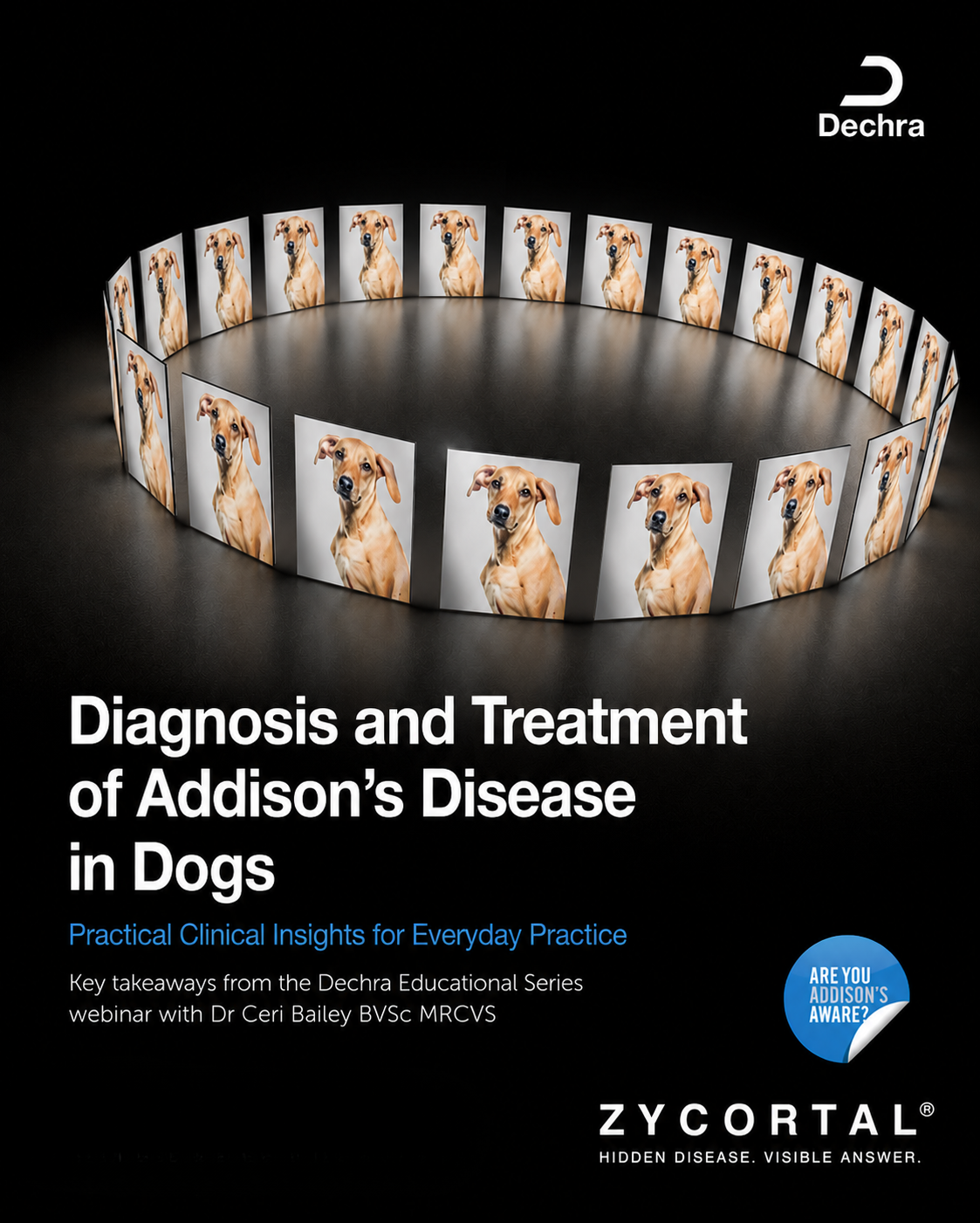
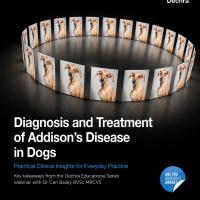
Addison's disease may be uncommon - but it should never be overlooked. Canine hypoadrenocorticism, more commonly known as Addison's disease, has earned the nickname "The Great Pretender" for good reason. Its clinical signs are often vague, intermittent and easily mistaken for many other conditions, making diagnosis one of the biggest challenges faced in small animal practice. To help veterinary professionals recognise and manage this complex endocrine disorder with greater confidence, The Veterinary Group recently hosted another successful session in the Dechra Educational Series, featuring Dr Ceri Bailey BVSc MRCVS, Companion Animal Veterinary Technical Manager at Dechra. The webinar explored practical approaches to diagnosing Addison's disease, recognising an Addisonian crisis, and developing long-term treatment plans using evidence-based monitoring strategies. This article summarises some of the key clinical messages shared during the session together with the additional educational resources made available to veterinary professionals. Why is Addison's Disease Called "The Great Pretender"? One of the biggest challenges with Addison's disease is that many affected dogs simply don't appear critically ill. Instead, they often present with subtle, waxing and waning clinical signs that can mimic gastrointestinal disease, renal disease, pancreatitis or a range of other conditions. Common presenting signs include: Lethargy Weight loss Variable or reduced appetite Vomiting Diarrhoea Weakness Collapse Increased drinking and urination in some patients Dogs that owners describe as simply being "not quite right" These intermittent episodes can occur over weeks or even months before the disease is recognised, which is why maintaining a high index of suspicion is so important. Understanding What Happens in Addison's Disease Primary Addison's disease is most commonly caused by immune-mediated destruction of the adrenal glands. As the adrenal cortex becomes damaged, production of two essential hormone groups declines: Glucocorticoids (cortisol) - responsible for helping the body respond to stress, regulate metabolism and maintain normal physiological function. Mineralocorticoids (aldosterone) - responsible for regulating sodium, potassium and water balance, helping maintain blood volume and blood pressure. The combination of deficiencies explains why affected dogs can develop gastrointestinal signs, dehydration, electrolyte abnormalities, weakness and, in severe cases, life-threatening circulatory collapse. When Should Addison's Disease Be Suspected? Because clinical signs are often non-specific, diagnosis relies on combining history, physical examination and laboratory findings. The Dechra/FECAVA diagnostic work-up highlights several important clues: History Chronic waxing and waning gastrointestinal signs Weight loss Lethargy Weakness Vomiting Diarrhoea Collapse Shaking Abdominal pain Melena or haematochezia Polyuria and polydipsia in some patients Physical Examination Although findings are frequently non-specific, clinicians may observe: Thin body condition Dehydration Painful abdomen Dogs presenting in an acute Addisonian crisis may exhibit: Hypovolaemic shock Bradycardia or tachycardia Weak pulses Poor capillary refill time Hypothermia Collapse Laboratory Findings That Raise Suspicion Routine bloodwork often provides the first indication that Addison's disease should be considered. Common abnormalities include: Hyponatraemia Hyperkalaemia Reduced sodium-to-potassium ratio Low cholesterol Low glucose Elevated urea and creatinine Mild anaemia Lack of a typical stress leucogram Eosinophilia Lymphocytosis Importantly, the webinar also highlighted that not every Addisonian dog presents with classic electrolyte abnormalities. Some patients may have eunatraemic, eukalaemic hypoadrenocorticism, reinforcing the importance of evaluating the complete clinical picture rather than relying on electrolytes alone. When Addison's disease is suspected, the ACTH stimulation test remains the definitive diagnostic test, with endogenous ACTH measurement providing additional diagnostic value in selected cases. Recognising an Addisonian Crisis Without diagnosis and treatment, some dogs progress to an acute Addisonian crisis, a true medical emergency. These patients frequently present with: Severe dehydration Hypovolaemic shock Bradycardia secondary to hyperkalaemia Marked electrolyte disturbances Reduced tissue perfusion Collapse Immediate stabilisation is essential. The Dechra Addisonian Crisis Guidelines emphasise prompt intravenous fluid therapy as the priority, careful correction of electrolyte abnormalities, appropriate glucocorticoid administration and ongoing patient monitoring before initiating mineralocorticoid replacement therapy. Long-Term Management: Individualised Care Matters Successfully managing Addison's disease extends well beyond making the diagnosis. One of the key messages throughout the webinar was that every patient should be managed as an individual. Long-term treatment requires: Regular clinical assessments Routine electrolyte monitoring Careful adjustment of mineralocorticoid therapy Appropriate glucocorticoid supplementation Ongoing communication with pet owners Owners should also understand that although most dogs respond exceptionally well to treatment, Addison's disease remains a lifelong condition requiring continued monitoring and medication. The Role of Zycortal® in Long-Term Management For dogs requiring mineralocorticoid replacement, Zycortal® (desoxycorticosterone pivalate) provides veterinarians with a licensed injectable treatment option as part of a comprehensive long-term management plan alongside daily glucocorticoid therapy. During the webinar, Dr Bailey discussed several practical advantages that support its use in clinical practice, including: Licensed dosing supported by safety and efficacy data in dogs Monthly subcutaneous administration Independent adjustment of mineralocorticoid replacement while glucocorticoid therapy can be tailored separately Individualised dosing based on electrolyte monitoring and clinical response A multi-use vial with a 120-day broached shelf life, helping minimise waste Ongoing technical support from Dechra Veterinary Technical Services The webinar also reinforced that achieving optimal control often requires several monitoring visits before each patient's ideal treatment regimen is established. Both Zycortal® and glucocorticoid therapy should be adjusted according to clinical response and monitoring results rather than using a one-size-fits-all approach. Practical Clinical Resources for Veterinary Professionals As part of the Dechra Educational Series, attendees also received access to a range of practical clinical tools designed to support everyday decision-making, including: Guidelines for the Treatment of Addisonian Crisis Canine Hypoadrenocorticism Diagnostic Work-up Flowchart DOCP Treatment and Monitoring Flowchart Zycortal® Treatment Initiation and Fludrocortisone Switching Protocol Practical guidance on monitoring patients receiving Zycortal® These resources provide structured guidance for diagnosing, stabilising and monitoring dogs with Addison's disease and can help support consistency in clinical practice. Continuing Veterinary Education Through Partnership Education remains one of the most valuable tools in improving patient outcomes. Through our ongoing partnership with Dechra Veterinary Products, The Veterinary Group is committed to providing veterinary professionals across the UAE with access to practical, evidence-based continuing education delivered by leading international experts. We extend our sincere thanks to Dr Ceri Bailey BVSc MRCVS and the Dechra team for sharing their expertise during this informative session and look forward to welcoming veterinary professionals to future events in the Dechra Educational Series. References Dechra Educational Series Webinar: Diagnosis and Treatment of Addison's Disease, presented by Dr Ceri Bailey BVSc MRCVS. Dechra Veterinary Products. Guidelines for the Treatment of Acute Hypoadrenocorticism (Addisonian Crisis). Dechra Veterinary Products & FECAVA. Canine Hypoadrenocorticism: Diagnosis. Dechra Veterinary Products & FECAVA. Canine Hypoadrenocorticism: Treatment with DOCP and Monitoring. Dechra Veterinary Products. Using Zycortal® – 5 Golden Guidelines. Dechra Veterinary Products. Zycortal® Treatment Initiation & Fludrocortisone Switching Protocol.
June 29 2026
Handling horses during veterinary procedures requires careful planning to protect both the animal and the veterinary team. Even calm, well-trained horses can become anxious, or unpredictable during examinations and treatments, making sedation an important part of modern equine medicine. Sedation is not simply about making a horse stand still. It is a carefully controlled medical technique that helps reduce stress, improve patient welfare, and allow veterinarians to perform procedures safely and effectively. What Is Equine Sedation? Sedation is the controlled reduction of a horse's awareness and responsiveness through the use of veterinary medicines. Rather than producing unconsciousness, sedation creates a calmer, more relaxed state while maintaining the horse's ability to stand. Sedatives reduce excitement within the central nervous system and promote muscle relaxation, helping horses tolerate examinations and procedures that might otherwise cause fear, discomfort or injury. When administered appropriately by a veterinarian, modern sedatives have an established safety profile and are widely used in equine practice. Why Might a Horse Need Sedation? Sedation may be recommended whenever movement, anxiety or discomfort could interfere with a veterinary procedure or compromise safety. Common situations include: Dental examinations and dental treatment Endoscopy and other diagnostic procedures Rectal and reproductive examinations Hoof care and corrective farriery Wound treatment and suturing Tendon assessment and imaging Stomach tubing Minor surgical procedures Clipping or handling horses that become anxious during routine care By reducing stress and movement, sedation allows procedures to be completed more efficiently while improving comfort for the horse and reducing risk for handlers. Understanding Different Levels of Sedation The level of sedation required depends on the individual horse and the procedure being performed. Light sedation is often sufficient for routine management procedures where the horse simply needs to be calmer while remaining responsive. Moderate sedation produces a more relaxed horse, often with a lowered head, drooping lower lip and reduced reaction to external stimuli. This level is commonly used for dental work and diagnostic imaging. Deep sedation is reserved for more invasive or uncomfortable procedures. Horses remain standing but become markedly drowsy and require close veterinary supervision throughout the procedure. The appropriate level is determined by the veterinarian after assessing the horse's temperament, health status and the nature of the procedure. Sedation Is Different from General Anaesthesia Although the terms are sometimes confused, sedation and general anaesthesia are very different. During sedation, the horse remains conscious and standing but is significantly calmer and less reactive. General anaesthesia involves complete loss of consciousness and is required for major surgical procedures. Because horses must lie down under general anaesthesia, specialised facilities, continuous monitoring and careful recovery management are essential. Equine anaesthesia carries greater risks than in many other domestic species due to the horse's size, physiology and recovery process. Whenever possible, veterinarians choose standing procedures performed under appropriate sedation rather than general anaesthesia, as this may reduce overall risk for suitable cases. Caring for Horses After Sedation Recovery from sedation is usually straightforward, although the time required varies depending on the medication used, the dose administered and the procedure performed. Following sedation, horses should recover in a quiet, safe environment with minimal disturbance. Feed should not be offered until swallowing has returned to normal, as sedated horses may attempt to eat before they are fully coordinated, increasing the risk of choking. Normal activity should only resume once the veterinarian confirms that recovery is complete and the horse is safe to return to work or turnout. For competition horses, owners should also discuss withdrawal and detection times with their veterinarian, as sedative medications are regulated under competition rules. Sedation as Part of Modern Pain Management Equine pain management often requires more than one approach. Pain begins when specialised nerve endings detect tissue injury before signals travel through the nervous system and are ultimately processed by the brain. Different medications act at different points along this pain pathway. Modern veterinary medicine frequently combines multiple classes of medicines to improve patient comfort through a multimodal approach to analgesia, allowing veterinarians to tailor treatment according to the horse's needs. Appropriate sedation often forms an important component of this overall strategy by reducing stress, facilitating procedures and supporting effective patient management. Supporting Equine Procedures with Dechra Domidine® For veterinarians requiring reliable standing sedation and premedication, Dechra Domidine® (detomidine hydrochloride 10 mg/ml solution for injection) is licensed for use in horses and cattle. Domidine® contains the alpha-2 agonist detomidine hydrochloride and is indicated for sedation and premedication before injectable or inhalation anaesthesia. It may be administered by either intravenous or intramuscular injection, providing flexibility for different clinical situations. Common veterinary applications include: Premedication before general anaesthesia Endoscopy and diagnostic examinations Rectal and gynaecological examinations Dental procedures Tendon treatment Hoof care Stomach tubing Minor standing surgical procedures Detomidine has been used in equine practice for many years, and comparative studies have demonstrated that Domidine® performs comparably to the original detomidine formulation while maintaining an established safety profile when used according to veterinary directions. As with all prescription veterinary medicines, Domidine® should only be administered by, or under the direction of, a veterinarian following an appropriate clinical assessment.  
June 29 2026
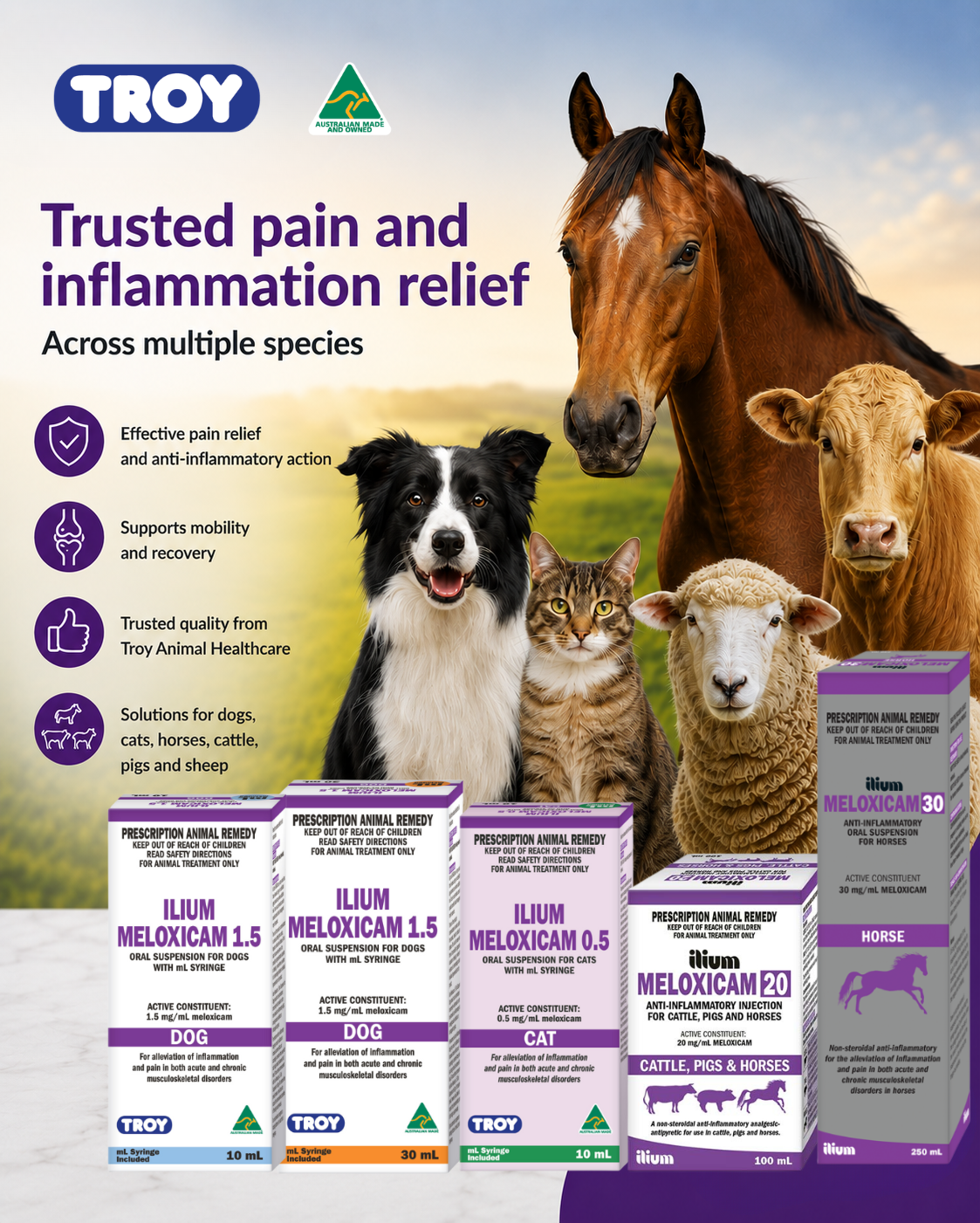
Pain management is a cornerstone of modern veterinary medicine. Whether treating a dog recovering from orthopaedic surgery, managing chronic musculoskeletal pain in a horse, or reducing inflammation in livestock, effective analgesia is essential for improving animal welfare and supporting recovery. The Veterinary Group offers a carefully selected range of ilium® Meloxicam products from Troy Animal Healthcare, providing veterinarians with trusted non-steroidal anti-inflammatory drug (NSAID) options for dogs, cats, horses, cattle and sheep. Understanding Meloxicam Meloxicam is a non-steroidal anti-inflammatory drug (NSAID) widely used in veterinary medicine to help alleviate pain and reduce inflammation. It works by inhibiting cyclooxygenase (COX) enzymes involved in the production of prostaglandins, the compounds responsible for pain, inflammation and fever. When used according to the approved product label and under veterinary supervision, meloxicam plays an important role in improving patient comfort while supporting recovery from injury, surgery and musculoskeletal disease. Why Effective Pain Management Matters Animals often instinctively conceal signs of pain, making proactive pain management an essential part of veterinary care. Appropriate NSAID therapy can help to: Reduce pain and inflammation Improve mobility and comfort Encourage normal feeding and activity Support recovery following injury or surgery Enhance overall patient welfare From companion animal practice to equine and production animal medicine, effective pain management contributes to better clinical outcomes. The ilium® Meloxicam Range Available from TVG include: Ilium® Meloxicam Suspension 1.5 for Dogs. Available in 10 mL, 30 mL and 100 mL bottles and is formulated specifically for dogs. It is indicated for the alleviation of inflammation and pain associated with acute and chronic musculoskeletal disorders, providing veterinarians with a convenient oral treatment option for ongoing pain management where meloxicam therapy is appropriate. Ilium® Meloxicam Suspension 0.5 for Cats Available in 10 mL and 30 mL bottles and is specifically formulated for cats. It is indicated for the alleviation of inflammation and pain associated with acute and chronic musculoskeletal disorders and offers a palatable oral formulation designed to support accurate dosing. Ilium® Meloxicam 30 Suspension for Horses is an oral meloxicam formulation developed specifically for horses available in 100 mL. The suspension provides veterinarians with a practical option for managing pain and inflammation in equine patients where meloxicam therapy is indicated, supporting the treatment of musculoskeletal conditions and helping to maintain comfort and mobility. Ilium® Meloxicam 20 Anti-Inflammatory Injection is a 20 mg/mL injectable formulation available in a 100 mL presentation. The product is intended for use in horses, cattle and sheep, providing veterinarians with a convenient injectable NSAID option for the management of pain and inflammation in accordance with the approved product label and veterinary directions. Why Choose the ilium® Meloxicam Range? The ilium® Meloxicam range offers veterinarians a number of practical advantages: Species-specific formulations for companion animals and horses Injectable and oral treatment options across the range Multiple pack sizes to suit different practice requirements Accurate dosing with supplied measuring syringes for oral suspensions Trusted quality from Troy Animal Healthcare By offering formulations across companion animals, equine practice and selected livestock species, the range enables veterinarians to select the most appropriate treatment for each patient. Responsible NSAID Use Like all NSAIDs, meloxicam should only be used under veterinary supervision. Before prescribing treatment, veterinarians should assess each patient's clinical condition, hydration status, concurrent medications and any underlying disease. Treatment should always follow the approved product label, and patients receiving long-term therapy should be monitored appropriately. Supporting Better Veterinary Care Effective pain management is an essential component of high-quality veterinary medicine. By helping to alleviate pain and reduce inflammation, veterinarians can improve patient comfort, support recovery and promote better long-term welfare. With formulations available for dogs, cats, horses, cattle and sheep, the ilium® Meloxicam range from Troy Animal Healthcare provides veterinarians with reliable NSAID solutions across multiple areas of practice. To learn more about the ilium® Meloxicam range available from The Veterinary Group, or to place an order, contact our team at +971 6 5395443 / sales@thevet.group or browse our online veterinary store. About Troy Animal Healthcare For more than 60 years, Troy Animal Healthcare has been developing and manufacturing veterinary medicines for companion animals, horses and livestock. Its ilium® range is recognised by veterinary professionals for delivering practical, high-quality healthcare solutions that support animal health and welfare across a wide range of clinical applications.
June 18 2026
Looking for a low-sugar, high-fibre horse feed in Dubai? Saracen Rapid Beet offers a convenient way to increase fibre intake while providing slow-release, non-heating energy for horses and ponies across all life stages. Its quick-soaking formula makes it especially practical for horse owners, trainers, and stable managers in the UAE. Why Fibre Matters More Than Many Horse Owners Realise In the UAE's climate, maintaining digestive health and hydration can be a challenge. While concentrates often receive the most attention, fibre remains the foundation of a healthy equine diet. A fibre-rich diet helps support: Healthy digestive function A balanced hindgut environment Slow-release energy production Consistent body condition Feeding programmes for horses requiring lower sugar and starch intake For performance horses, leisure horses, veterans, and good doers alike, digestible fibre plays an important role in overall health and wellbeing. What Is Saracen Rapid Beet? Saracen Rapid Beet is a quick-soaking unmolassed sugar beet pulp feed that is naturally high in digestible fibre while remaining low in sugar and starch. According to the Saracen Rapid Beet product information, it provides slow-release, non-heating energy and can be added to existing feeding programmes to increase fibre intake. Key Nutritional Features High in digestible fibre Low sugar (5%) Low starch (1.5%) Non-heating energy source Quick soaking in approximately 10 minutes Suitable for year-round feeding 5 Benefits of Saracen Rapid Beet 1. Supports Healthy Digestive Function Digestible fibre is essential for maintaining normal gut function. Sugar beet pulp is widely recognised as a highly fermentable fibre source that can contribute valuable energy while supporting digestive health. Saracen Rapid Beet is specifically formulated to help increase a horse's digestible fibre intake. 2. Provides Slow-Release, Non-Heating Energy Unlike high-starch feeds that can create energy spikes, beet pulp provides energy through fibre fermentation in the hindgut. 3. Ideal for Horses Requiring Low Sugar and Starch Diets Many horse owners actively seek feeds with reduced sugar and starch levels. Saracen Rapid Beet contains: Sugar: 5% Starch: 1.5% These levels make it suitable for horses and ponies requiring a lower sugar and starch ration. 4. Quick and Convenient to Prepare One of the biggest advantages of Rapid Beet is convenience. Unlike traditional beet products that can require lengthy soaking times, Saracen Rapid Beet is ready in approximately 10 minutes when mixed correctly. This makes it ideal for: Busy stables Riding schools Competition yards Owners feeding multiple horses 5. Highly Palatable and Easy to Add to Existing Diets Some horses can be selective eaters, particularly when introducing new feeds. Saracen states that Rapid Beet is highly palatable and can be added to virtually any feeding programme to help boost fibre intake. Which Horses Can Benefit from Rapid Beet? Saracen Rapid Beet is suitable for: Competition Horses  - Provides slow-release energy without excessive starch. Veteran Horses  - Can be soaked into a soft mash, making it easier for older horses to consume. Good Doers - Offers fibre without the high sugar levels found in some feeds. Horses Needing Additional Fibre - An easy way to increase total fibre intake within the diet. Horses on Low Starch Diets - Contains just 1.5% starch. Feeding Guidelines Saracen recommends: Mix 1 part Rapid Beet with 5 parts water. Allow approximately 10 minutes to soak. Feed immediately or store in a cool place for later use. Never feed dry. Why Rapid Beet Is Popular in Dubai Horse owners in Dubai and across the UAE often look for feeds that combine: High fibre Low sugar Controlled energy Practical feeding management Saracen Rapid Beet meets all these requirements while providing a convenient, quick-soaking solution suitable for year-round feeding in the region's demanding climate. Frequently Asked Questions Is Saracen Rapid Beet suitable for all horses? Yes. Saracen states it is suitable for horses and ponies requiring additional fibre as well as those needing a low sugar and starch feed. How long does Rapid Beet take to soak? Approximately 10 minutes under normal conditions. Does Rapid Beet contain molasses? No. It is made from unmolassed sugar beet. Can Rapid Beet help increase fibre intake? Yes. Saracen specifically highlights its role in helping increase digestible fibre intake. Saracen Rapid Beet: A Smart Fibre Solution for UAE Horses Whether you're feeding a competition horse, veteran horse, leisure companion, or pony requiring a low sugar and starch diet, Saracen Rapid Beet offers a practical way to support digestive health and provide slow-release energy through highly digestible fibre. With its low sugar (5%), low starch (1.5%), quick soaking time, and year-round suitability, it's easy to see why Rapid Beet has become a trusted choice for horse owners throughout Dubai and the UAE. Contact our sales team at sales@thevet.group or Order online HERE

Loading...